Enzian research, where ideas take shape
Our research interests include neurotrauma, neurosurgery, neurointerventional radiology, and brain metabolism. We focus on advancing procedural techniques and deepening the understanding of neural injury and recovery to drive meaningful innovation in neurological care.
-
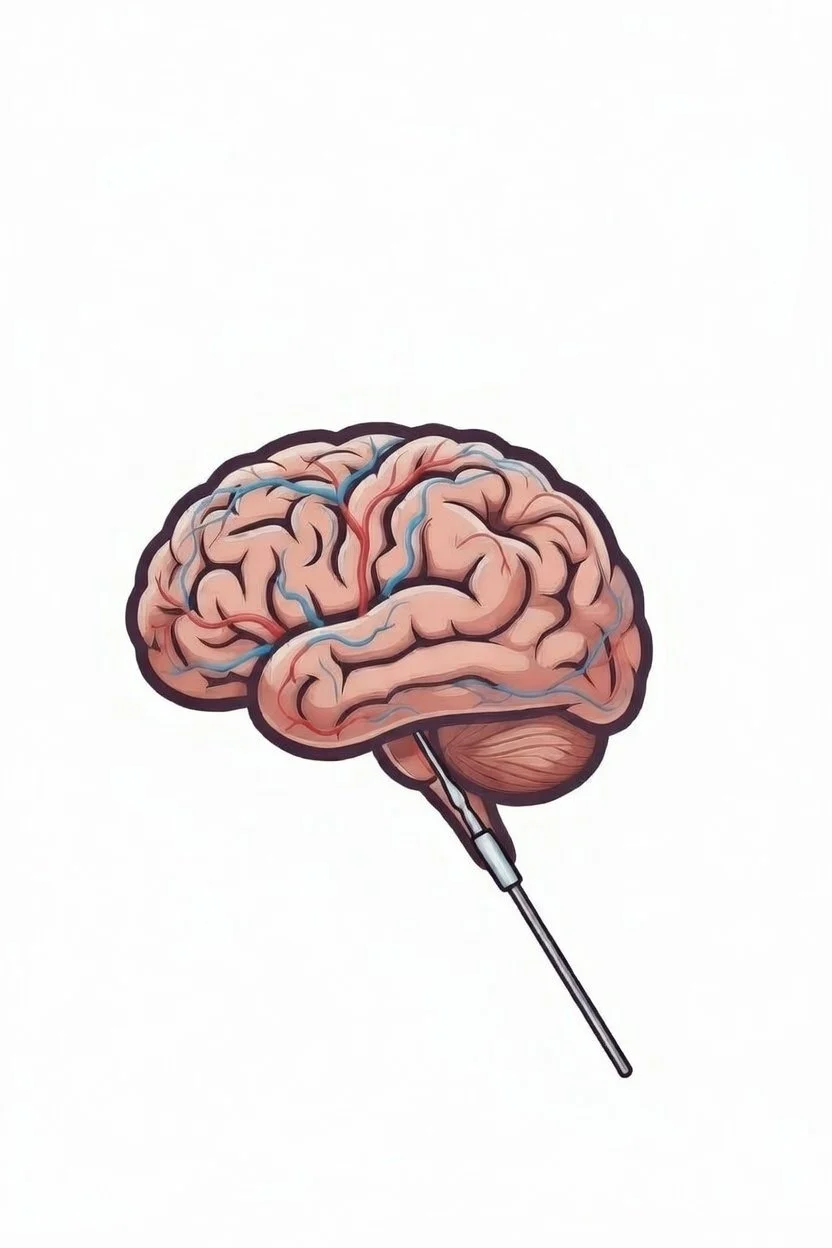
Enzian harnesses deep clinical insight into neurosurgical procedures to guide translational and device-driven research. Enzian Research focuses on the development of novel surgical access strategies that aim to improve precision, reduce invasiveness, and expand the range of treatable pathologies within the central nervous system.
Areas of particular interest include alternative and minimally invasive surgical corridors, such as transnasal and skull base approaches, as well as emerging neurospine access pathways. By integrating anatomical, procedural, and technological perspectives, this research seeks to optimize surgical workflows, enhance safety, and enable next-generation neurosurgical interventions.

-
With the advent of detachable coils in 1991, neurointerventionists from around the world converged on UCLA to pursue advanced training in neuroendovascular techniques. This period marked a pivotal moment in the evolution of minimally invasive treatment of cerebrovascular disease.
Dr. Zauner, a foundational figure in the program’s early years, sought to expand the boundaries of neuroendovascular therapy through continuous device innovation and iterative design. Among the first to develop a steerable catheter, Dr. Zauner helped establish a culture of engineering-driven problem solving within the laboratory.
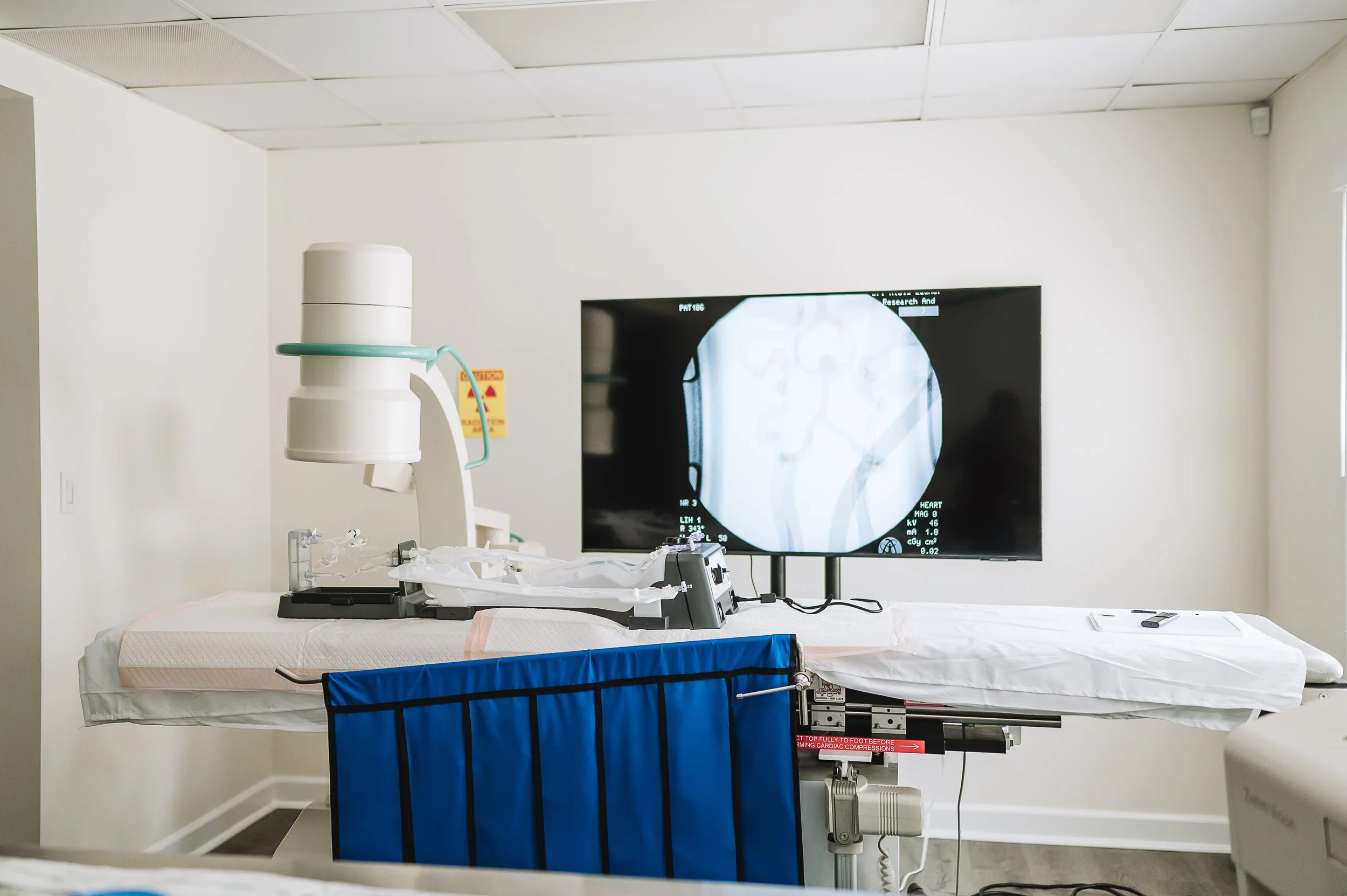
Today, the lab continues this legacy by pushing the limits of what is technically and clinically possible in neuroendovascular intervention. The laboratory is equipped with advanced imaging and procedural infrastructure, including a monoplane C-arm fluoroscopy system, enabling high-fidelity simulation of clinical workflows, device testing, and procedural iteration in a controlled research environment
-
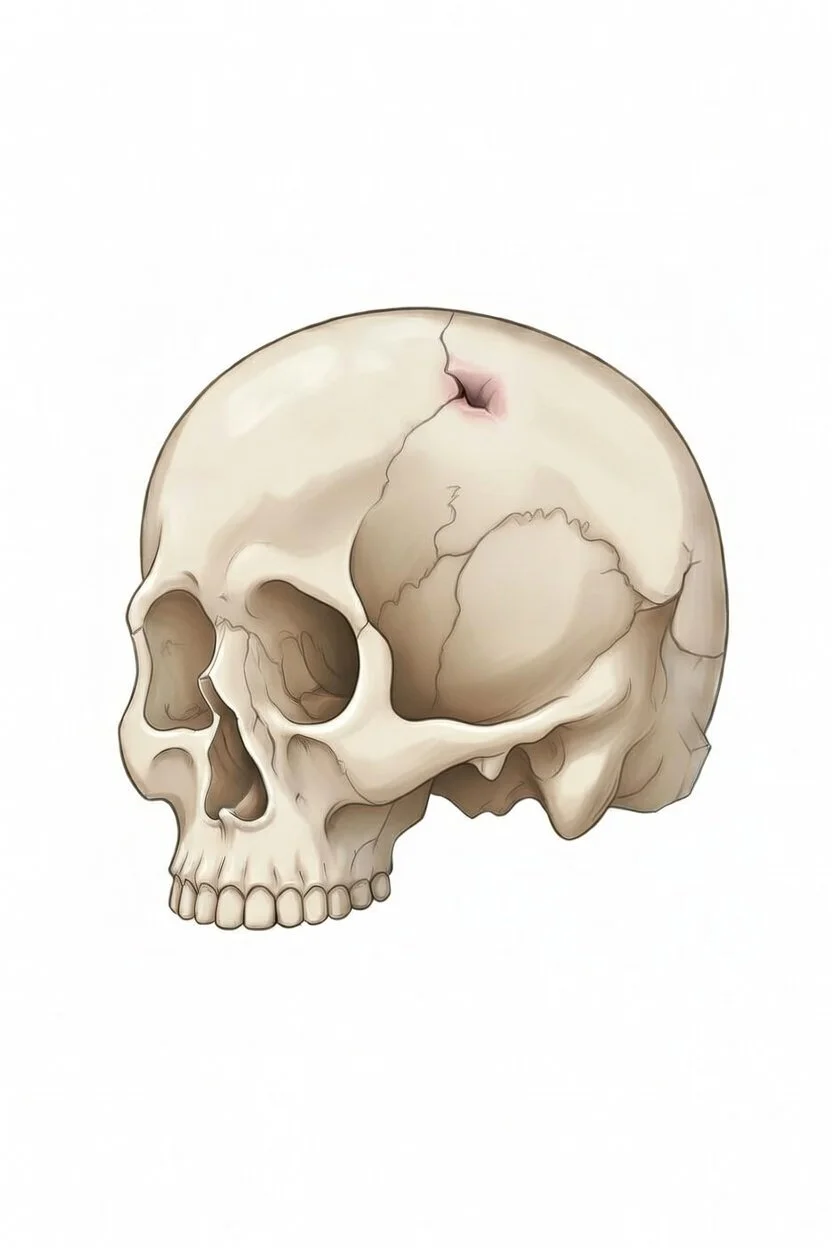
Enzian has a long-standing connection to emergency neurotrauma intervention, rooted in clinical experience across multiple Level I trauma centers. Building on this foundation, Dr. Zauner and his team focus on the acute diagnosis and treatment of time-critical neurological injuries, where rapid decision-making and technical precision are essential.
Research efforts target key emergency neurotrauma pathologies, including traumatic intracranial hemorrhage, acute subdural and epidural hematomas, traumatic cerebrovascular injury, and elevated intracranial pressure secondary to severe head trauma. By studying these conditions at both the anatomical and procedural levels, the lab seeks to better understand injury mechanisms and therapeutic windows.
The laboratory leverages advanced anatomical models, high-fidelity imaging, and procedural simulation to support device innovation and translational research.
-
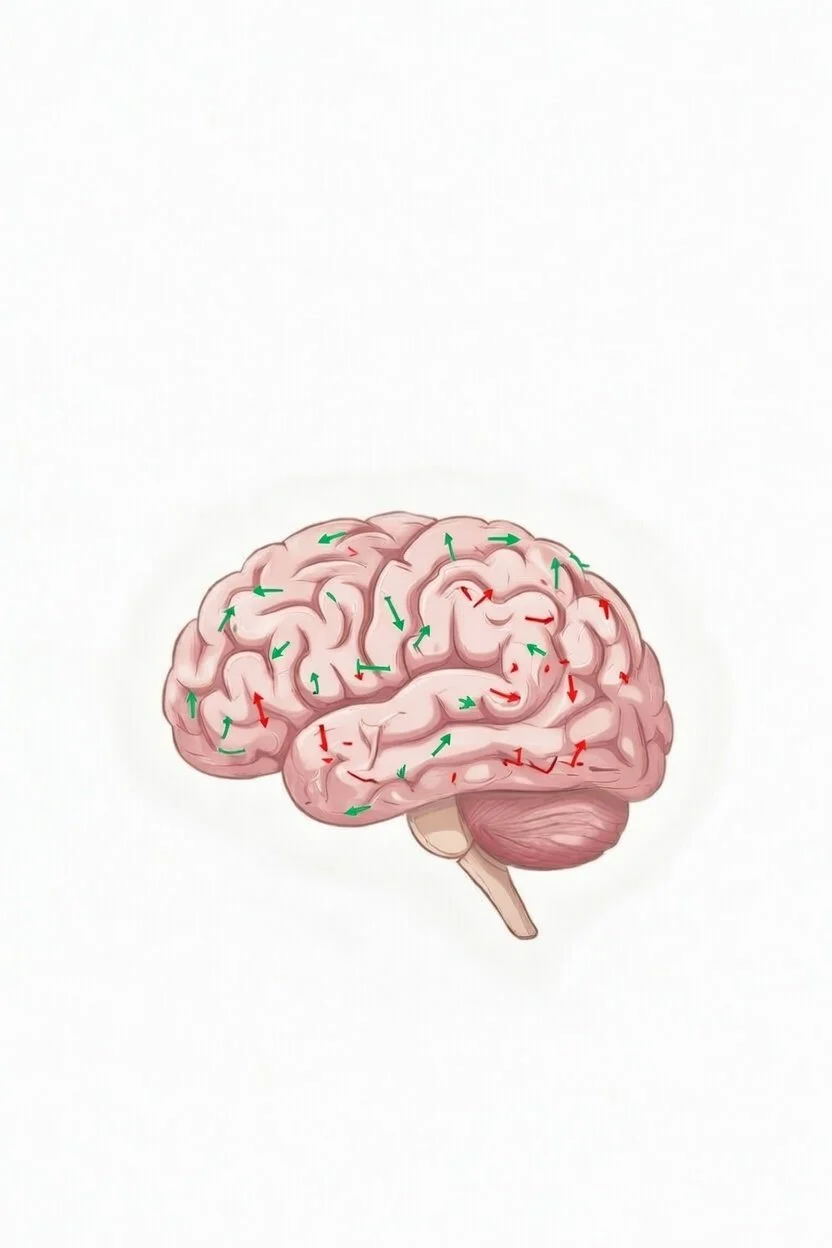
Understanding cerebral metabolism is fundamental to advancing neurovascular care. We are interested in the dynamic relationship between blood flow, oxygen delivery, and neuronal energy demand—particularly in the setting of stroke, trauma, and complex vascular pathology. By exploring metabolic resilience and dysfunction, we aim to support innovations that improve procedural strategies, device design, and ultimately patient outcomes.
Get Involved
Interested in collaborating? We partner with physicians, scientists, and industry leaders to advance research in neurotrauma, neurosurgery, neurointervention, and brain metabolism. Connect with our team to explore opportunities in research, development, and clinical training.
Grant & Funding Opportunities
We actively pursue and support grant-driven research initiatives aligned with our core focus areas, including neurotrauma, neurosurgery, neurointervention, and brain metabolism. We are open to collaborative proposals, institutional partnerships, and industry-sponsored research designed to accelerate innovation and clinical translation.